June 2, 2026
Choosing the right material for your floors involves a careful evaluation of aesthetics, performance, and long-term financial impact. The material underneath your feet shapes the entire character of your home, influencing comfort, visual appeal, and daily maintenance routines. Selecting between vinyl, hardwood, and tile requires a balanced understanding of how each material behaves under specific conditions. Home renovation decisions represent significant financial investments, and the choice of surface material can have lasting impacts on both daily life quality and property value. By considering each option thoroughly, homeowners can select a material that best fits their lifestyle, architectural needs, and design preferences.
As you explore the available market possibilities, consulting professional flooring services can streamline the decision-making process significantly. Experts provide valuable guidance regarding material suitability, structural subfloor requirements, and specific product performance metrics. This article delves deeply into the characteristics of vinyl, hardwood, and tile surfaces, detailing their costs, longevity, and stylistic attributes. Evaluating these components allows you to make an informed, confident choice that enhances your living environment. Ultimately, the right floor creates a harmonious foundation for your furniture, lighting, and overall interior architecture, ensuring satisfaction for years to come.
Evaluating Vinyl Characteristics
Vinyl has undergone a massive transformation from its humble origins, evolving into a highly sophisticated surface choice for modern homes. This synthetic material is available in several distinct formats, including sheet vinyl, luxury vinyl tile, and luxury vinyl planks, each engineered to address specific functional and design requirements. Its layered construction typically features a resilient backing, a sturdy core layer, a high-definition photographic print, and a clear protective wear layer. This structural design ensures that the material can withstand heavy foot traffic while providing a cushioned, comfortable feel underfoot.
The maintenance routine required for this material is remarkably straightforward, demanding minimal time and effort from busy homeowners. Regular sweeping to remove abrasive dirt and occasional damp mopping with a mild cleanser are generally sufficient to keep the surface pristine. Its inherent moisture resistance makes it particularly suitable for spaces where liquid spills and high humidity are common occurrences. According to Revive, incorporating new, well-chosen flooring such as vinyl can increase a home's value by 5%, highlighting its potential contribution to property appreciation. Utilizing specialized flooring services during the installation phase guarantees that the subfloor is perfectly leveled, which prevents any telegraphing or imperfections from showing through the surface material.
Assessing Hardwood Appeal
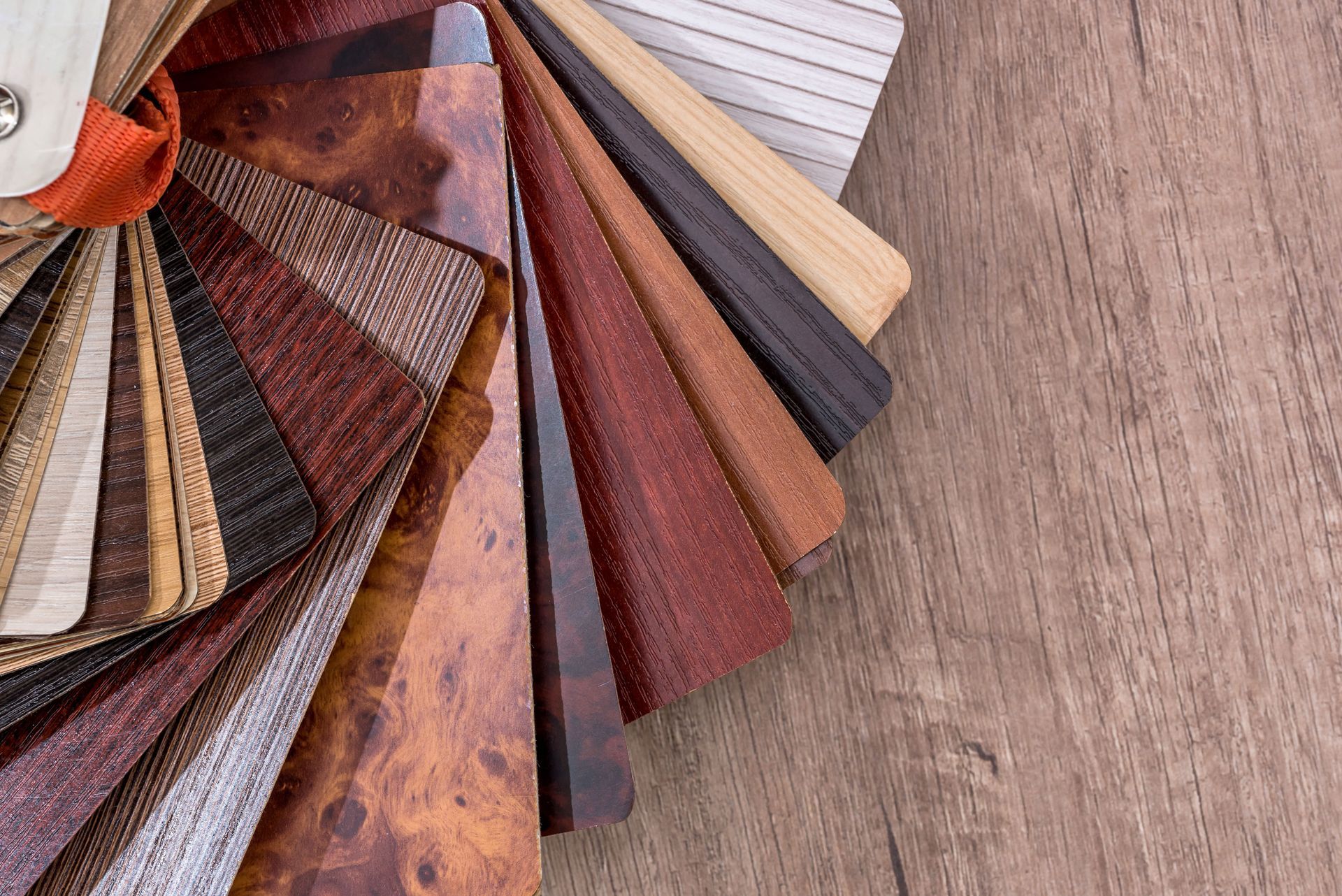
Hardwood remains a premier option in residential design, celebrated for its timeless elegance, natural warmth, and exceptional longevity. Available in solid and engineered formats, wood surfaces bring a unique organic texture to interior spaces that synthetic alternatives struggle to replicate perfectly. Solid hardwood consists of homogeneous wood planks that can be sanded down and refinished multiple times over several generations. Engineered hardwood features a genuine wood veneer bonded to a stable, multi-layered core, offering enhanced resistance to temperature fluctuations and minor moisture changes. The choice of wood species, ranging from domestic oak to exotic cherry, dictates the grain pattern and overall color depth of the room.
Caring for wood requires a proactive approach to preserve its organic beauty and protect it from environmental damage. Gentle sweeping and the use of specialized wood cleaners are essential, as excessive water or harsh chemicals can warp the planks and ruin the protective finish. Wood surfaces are susceptible to scratches from pet claws and heavy furniture, meaning that protective pads and area rugs are useful preventative accessories. Over time, wood acquires a rich patina that enhances its character, though homeowners can choose to refinish the surface to restore its original luster.
Analyzing Tile Versatility
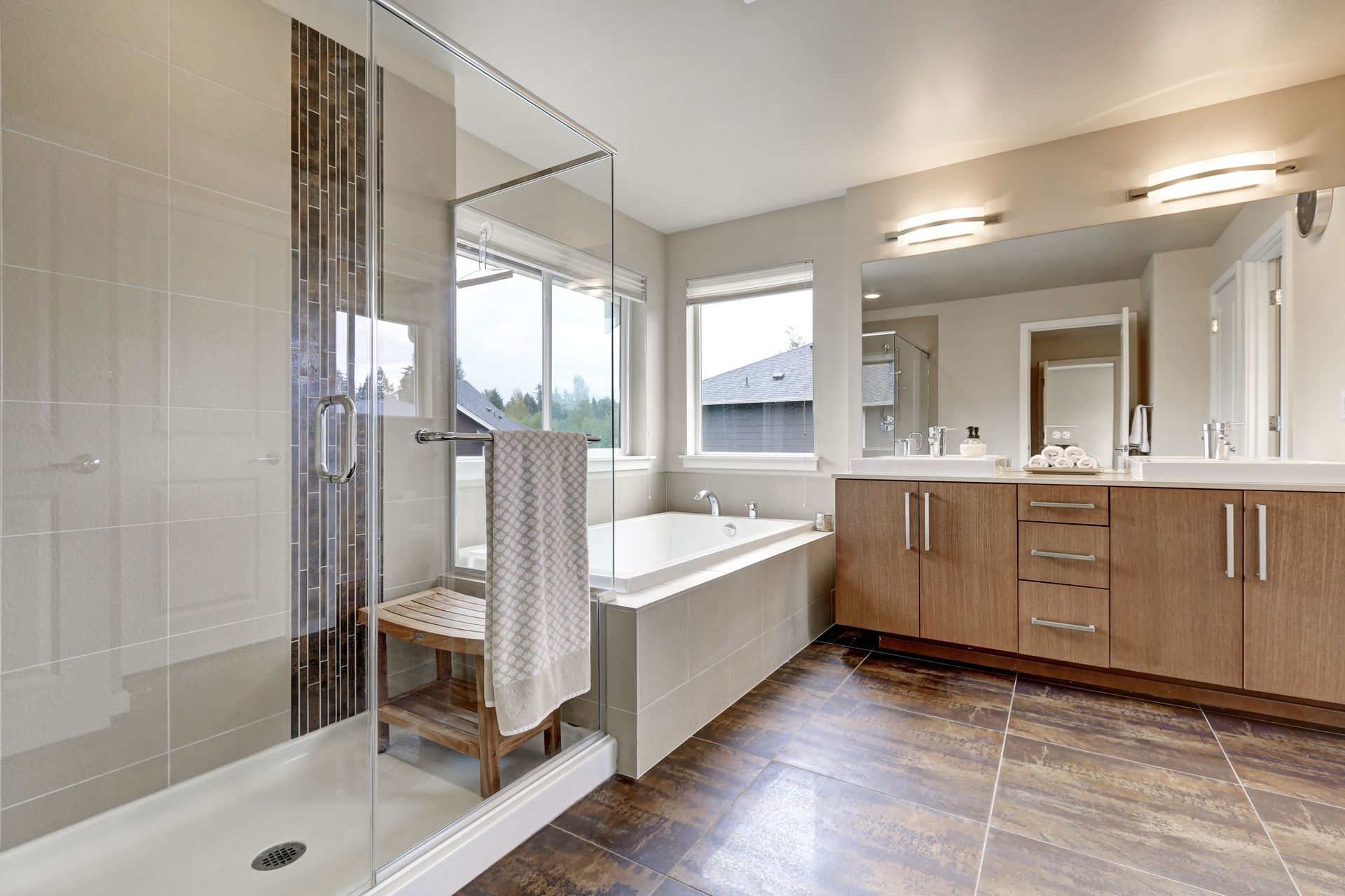
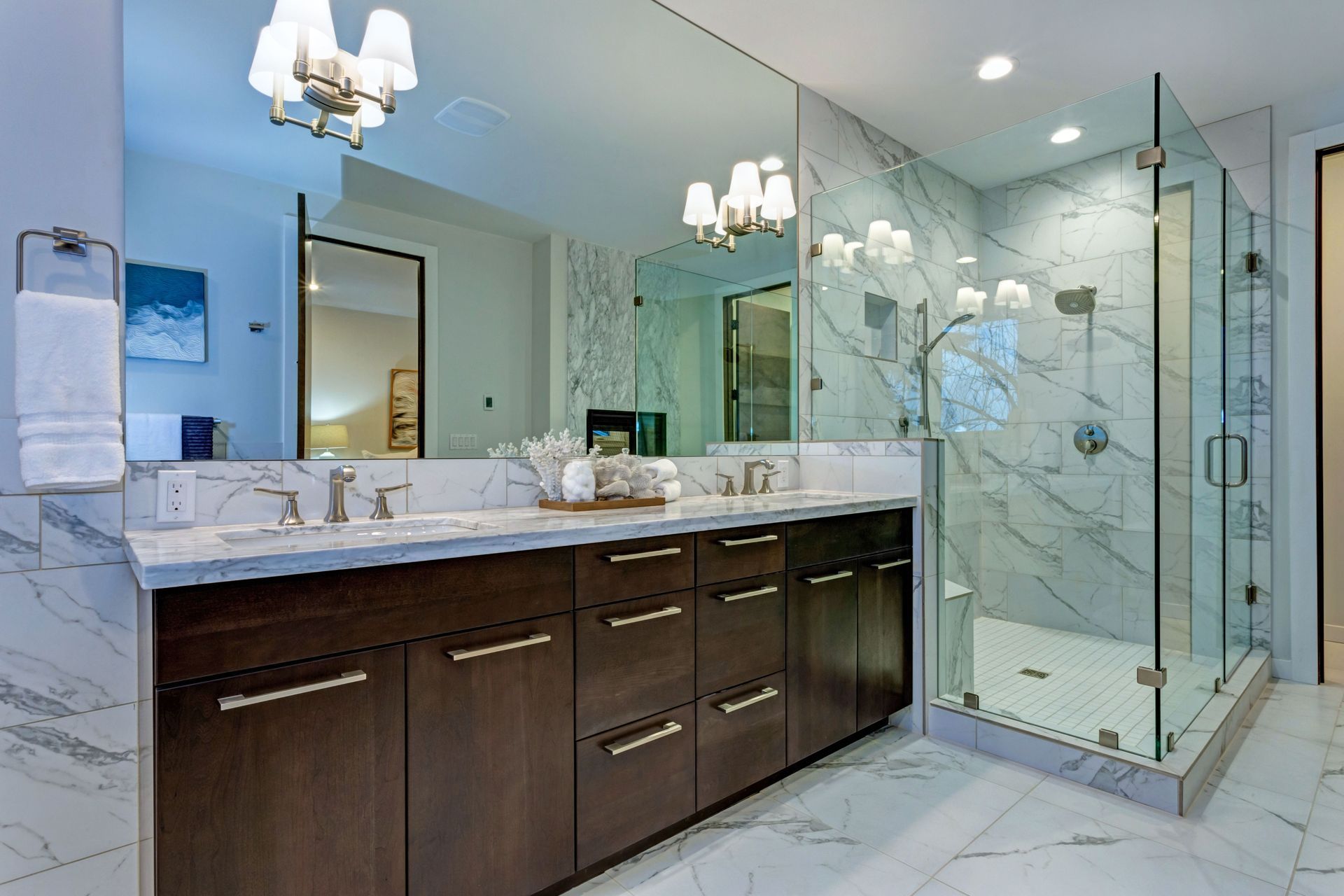
Tile offers a diverse universe of design opportunities alongside unparalleled durability, making it a foundational element in high-traffic residential areas. Homeowners can choose between ceramic, porcelain, and natural stone products, each possessing distinct physical properties and installation requirements. Ceramic tiles are composed of fired clay and are excellent for walls and light-traffic floors, while porcelain tiles are fired at higher temperatures, making them denser and highly resistant to moisture. Natural stone options, such as slate, marble, and granite, offer completely unique patterns and textures that add a luxurious, high-end feel to any architectural space.
The structural strength of tile makes it nearly impervious to moisture, stains, and scratches when installed and sealed correctly. However, maintaining a tiled surface involves paying consistent attention to the grout lines, which can absorb dirt and moisture if left unsealed. Regular scrubbing and periodic resealing of the grout are necessary tasks to prevent discoloration and moisture penetration beneath the tile bed. While the surface is hard and cool underfoot, it interacts beautifully with radiant heating systems, creating a luxurious warmth during colder months. Securing experienced flooring services ensures that the tile layout is balanced, symmetrical, and structurally sound, preventing cracking or shifting over time.
Understanding Cost Structures
The initial financial layout for a new surface varies dramatically depending on the material, the complexity of the layout, and the necessary preparation work. Vinyl represents a highly cost-effective option, offering a premium aesthetic at an accessible price point per square foot. Hardwood occupies the upper tier of the pricing spectrum due to the intrinsic value of natural wood and the specialized craftsmanship required for installation. Tile costs can span from modest for basic ceramic options to premium for large-format porcelain or rare natural stone varieties. Homeowners must balance these upfront material costs against the expected lifespan of the surface to determine the true long-term value of their investment.
Labor expenses also reflect the complexity of the material being handled during the installation process. Tile installation requires extensive subfloor preparation, precise layout planning, cutting, setting, and grouting, which naturally increases labor costs. Hardwood requires careful acclimation to the home's humidity levels before it can be fastened or glued down securely. Investing in professional flooring services helps prevent costly material wastage and ensures that manufacturer warranties remain fully intact.
Maintaining Surface Integrity
Preserving the functionality and appearance of your selected material requires adherence to proper care protocols tailored to its unique physical properties. Waterproof synthetic floors are highly forgiving, resisting stains from messy spills and withstand the daily tracking of dirt without showing signs of wear. Wood surfaces demand greater vigilance, requiring immediate cleanup of liquids and careful management of indoor humidity levels to prevent gapping or cupping. Tiled areas resist physical damage remarkably well, but the underlying grout requires continuous defense against mold and discoloration in wet environments. Recognizing these care requirements helps you select a material that aligns with your daily routine and household demands.
Long-term durability is directly tied to how well a surface handles the specific challenges of your household, such as active pets or heavy foot traffic. Hardwood offers the unique advantage of restoration, allowing you to sand away surface scratches and alter the stain color as design trends change. Damaged tiles can be individually replaced if spare materials were saved from the initial installation, avoiding the need to replace the entire floor. High-quality synthetic planks feature robust wear layers that resist fading from ultraviolet sunlight, keeping their vibrant appearance for decades.
Selecting the ideal foundation for your living space involves weighing initial expenditures against long-term durability and aesthetic satisfaction. Whether you prioritize the waterproof resilience of modern synthetic options, the classic prestige of genuine wood, or the robust versatility of tile, each material delivers distinct advantages to a home. Partnering with a dedicated professional ensures that your selected material is installed with precision, maximizing its beauty and functional lifespan. For homeowners seeking flawless execution and expert guidance, Affordable Granite & Cabinetry provides premier
flooring services tailored to your unique architectural vision. Reach out to their experienced team today to explore their extensive collection and transform your home with a stunning new foundation.